Sounds before names
Letter names (“bee, ay, tee”) don’t blend into “bat”. Letter sounds do. So the sound always comes first, and names arrive later as a small extra.
ReadTiles teaches reading the way schools do: clear letter sounds first, then blending them into words, then building words with tiles. Short, calm sessions you can sit beside.
Coming soon to Android and iPhone.
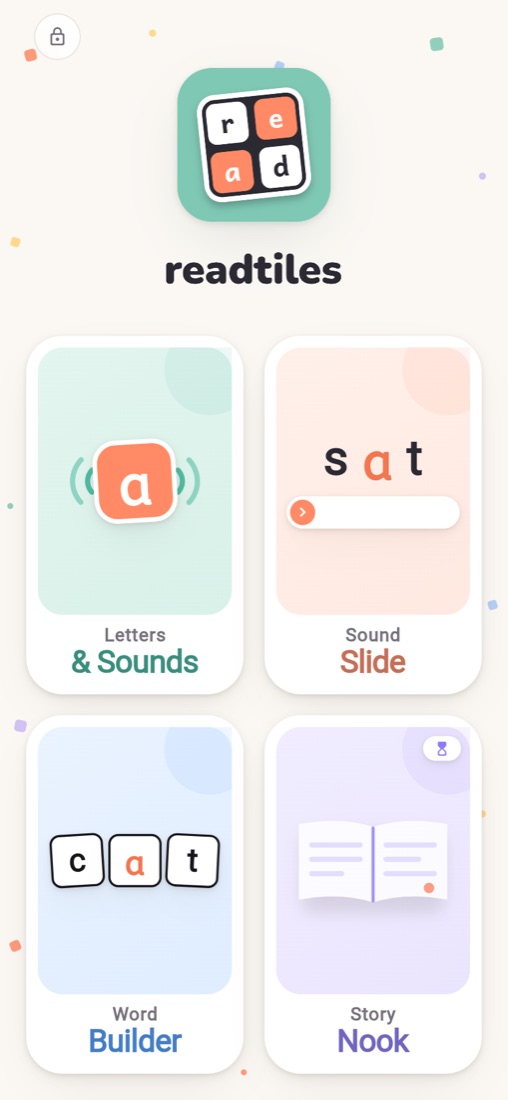
Each activity builds on the one before, so your child always meets words made only of sounds they already know.
Tap a letter to hear its sound, clearly and without an extra “uh”, with simple picture words.
LearnsLetter sounds in the order schools teach them, starting with s, a, t, p.
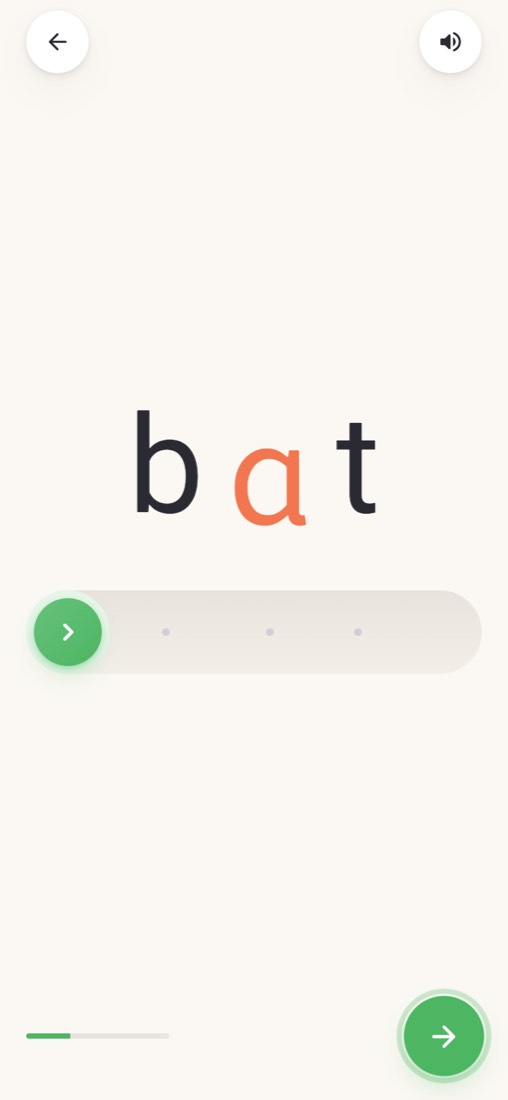
One slide across s-a-t turns three sounds into “sat”. Levels grow from Seeds to Sprouts to Trees.
LearnsBlending, the key step that turns sounds into reading.
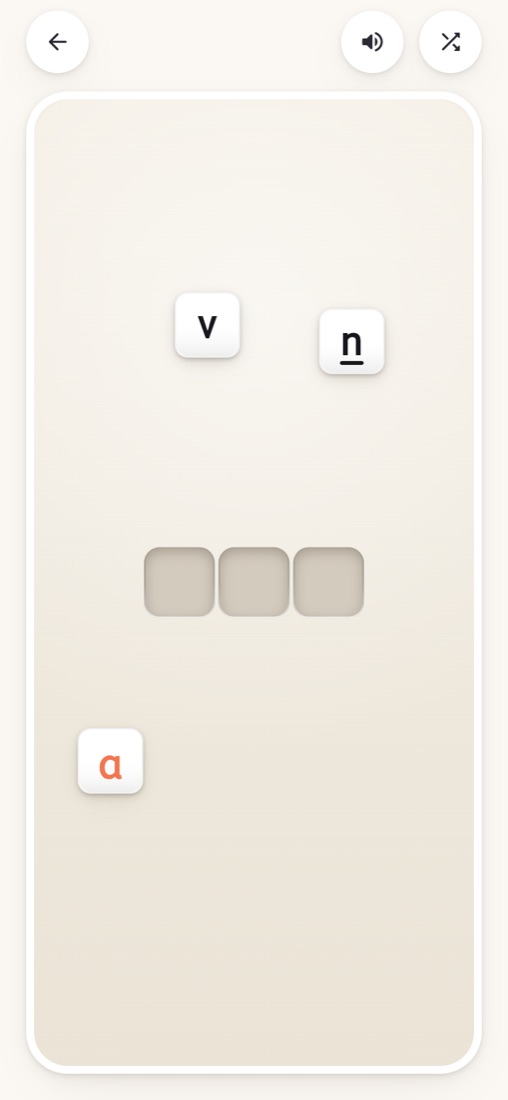
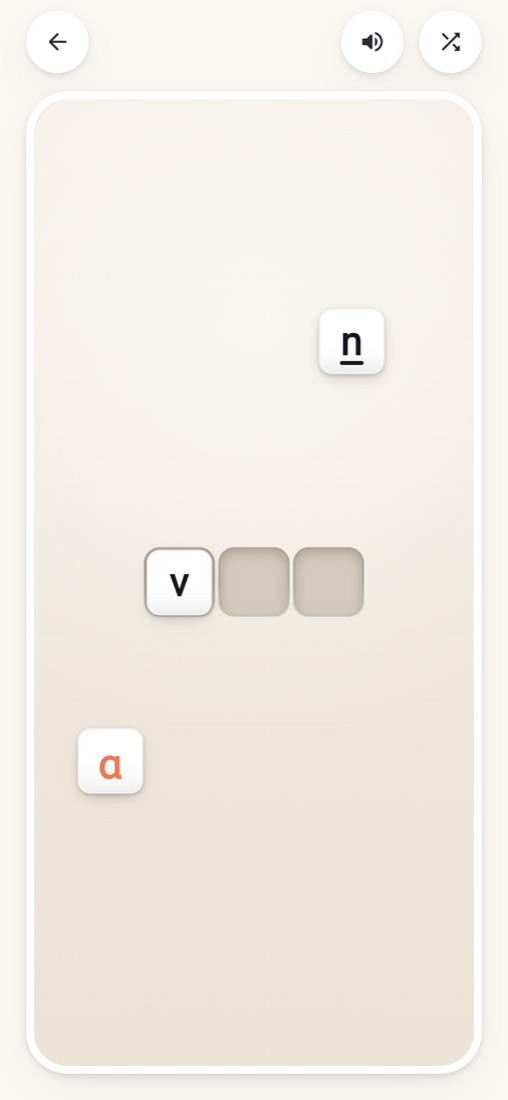
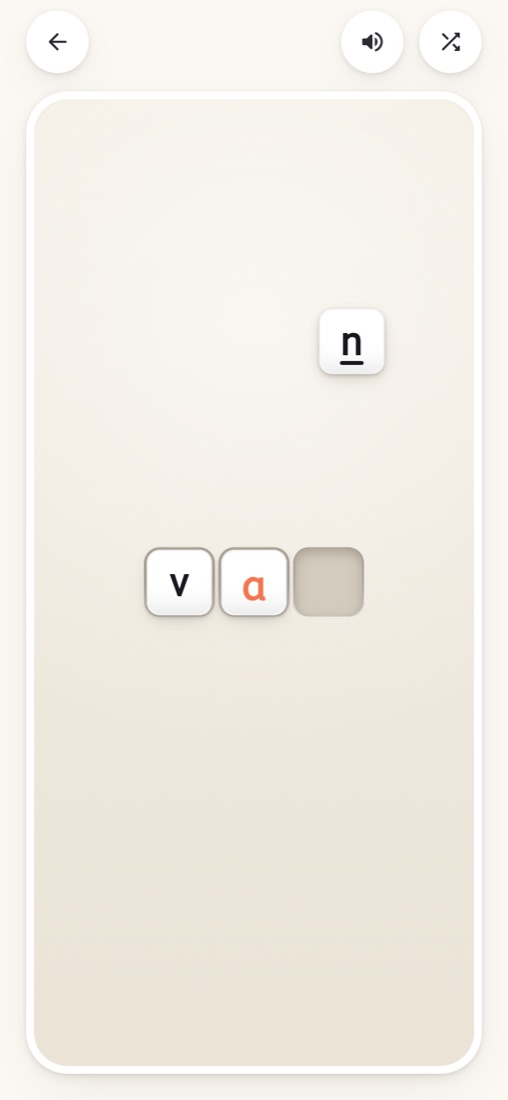
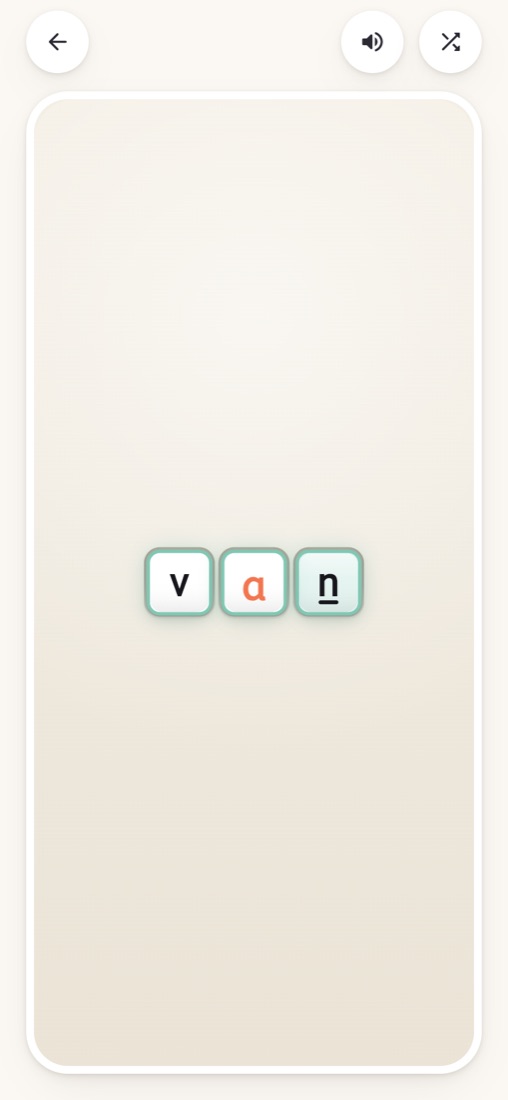
Hear a word, then drag its letter tiles into place. A gentle hint appears only when it is needed.
LearnsSegmenting words into sounds, the start of spelling.
Short sentences made only from sounds and words your child has already practised.
LearnsReading whole sentences with confidence.
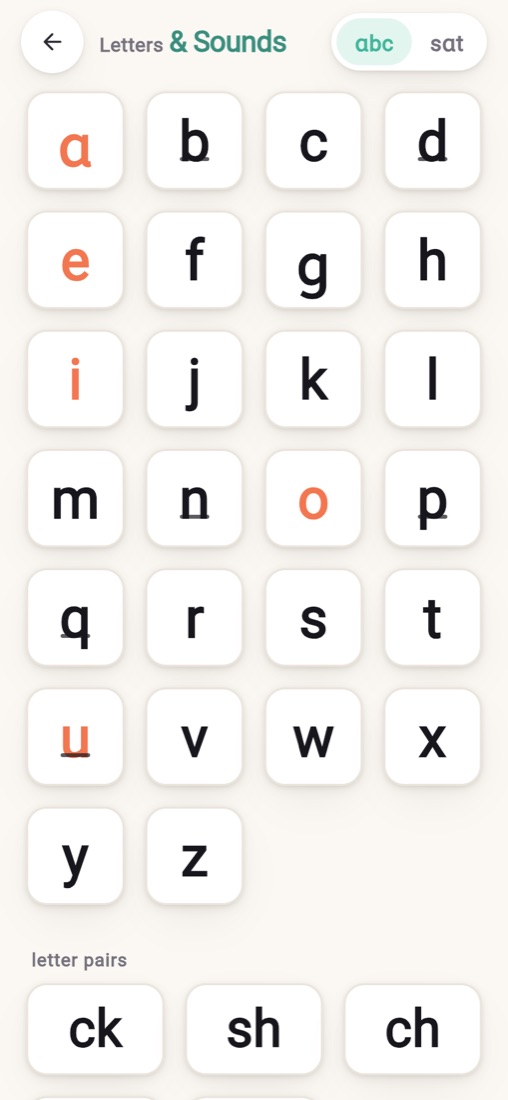
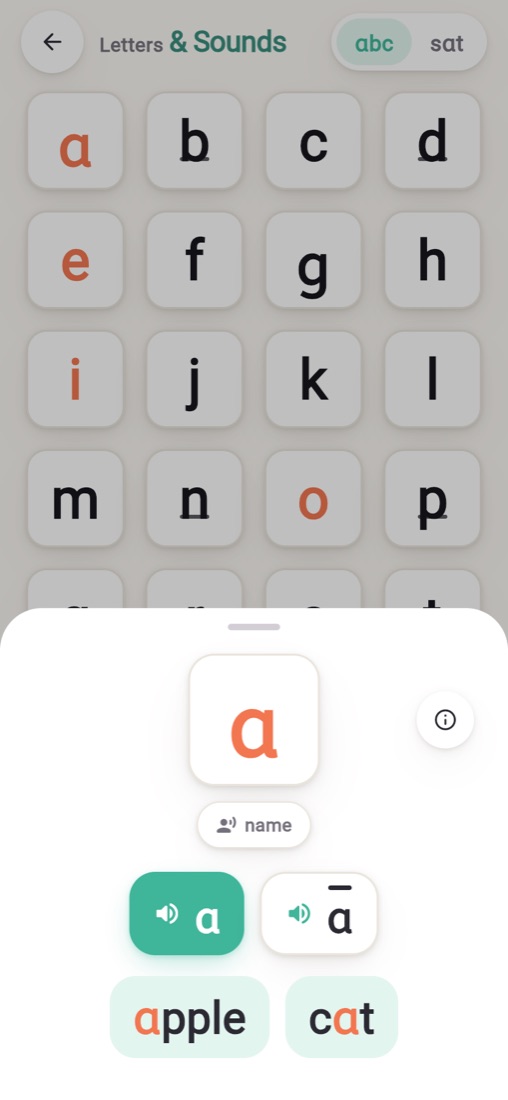
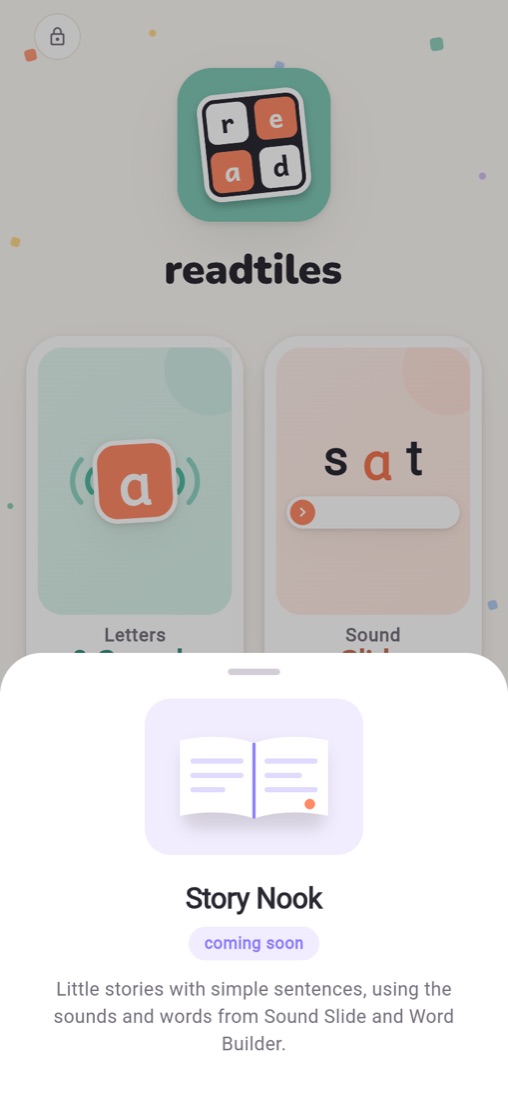

Tap a letter to hear its sound, clearly and without an extra “uh”, with simple picture words.
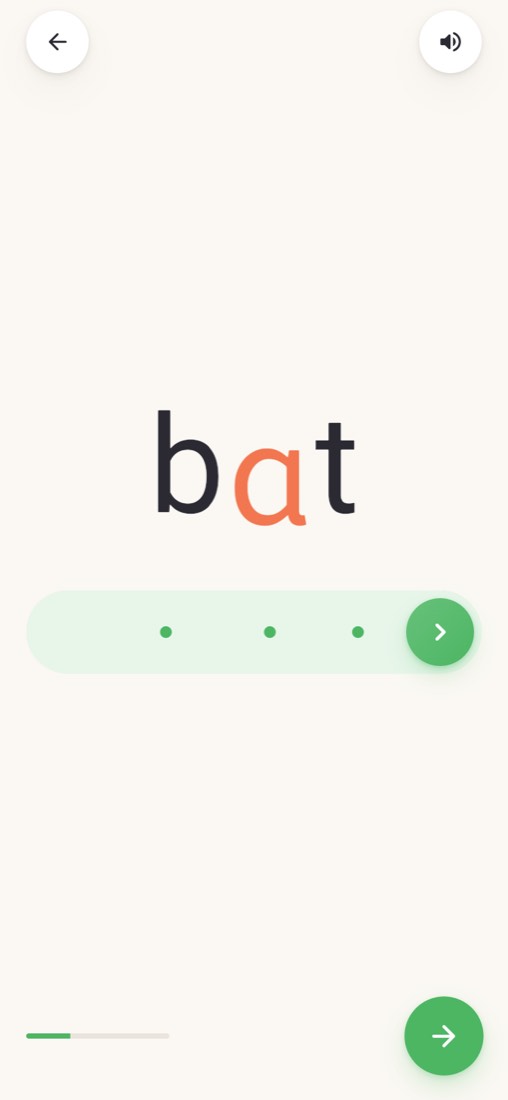
One slide across s-a-t turns three sounds into “sat”. Levels grow from Seeds to Sprouts to Trees.
Hear a word, then drag its letter tiles into place. A gentle hint appears only when it is needed.
Short sentences made only from sounds and words your child has already practised.
ReadTiles follows systematic synthetic phonics, the approach recommended by the largest reviews of reading research and required in schools in England.
Letter names (“bee, ay, tee”) don’t blend into “bat”. Letter sounds do. So the sound always comes first, and names arrive later as a small extra.
“mmm”, not “muh”. An added “uh” makes blending harder. Stretchy sounds like s, m and f come early because they are the easiest to blend.
Sounds arrive in the order of the UK Letters and Sounds programme. The first six already make real words like sat, pin and tap.
Sources include the National Reading Panel (2000), the Rose Review (2006), Castles, Rastle & Nation (2018) and Gonzalez-Frey & Ehri (2021).
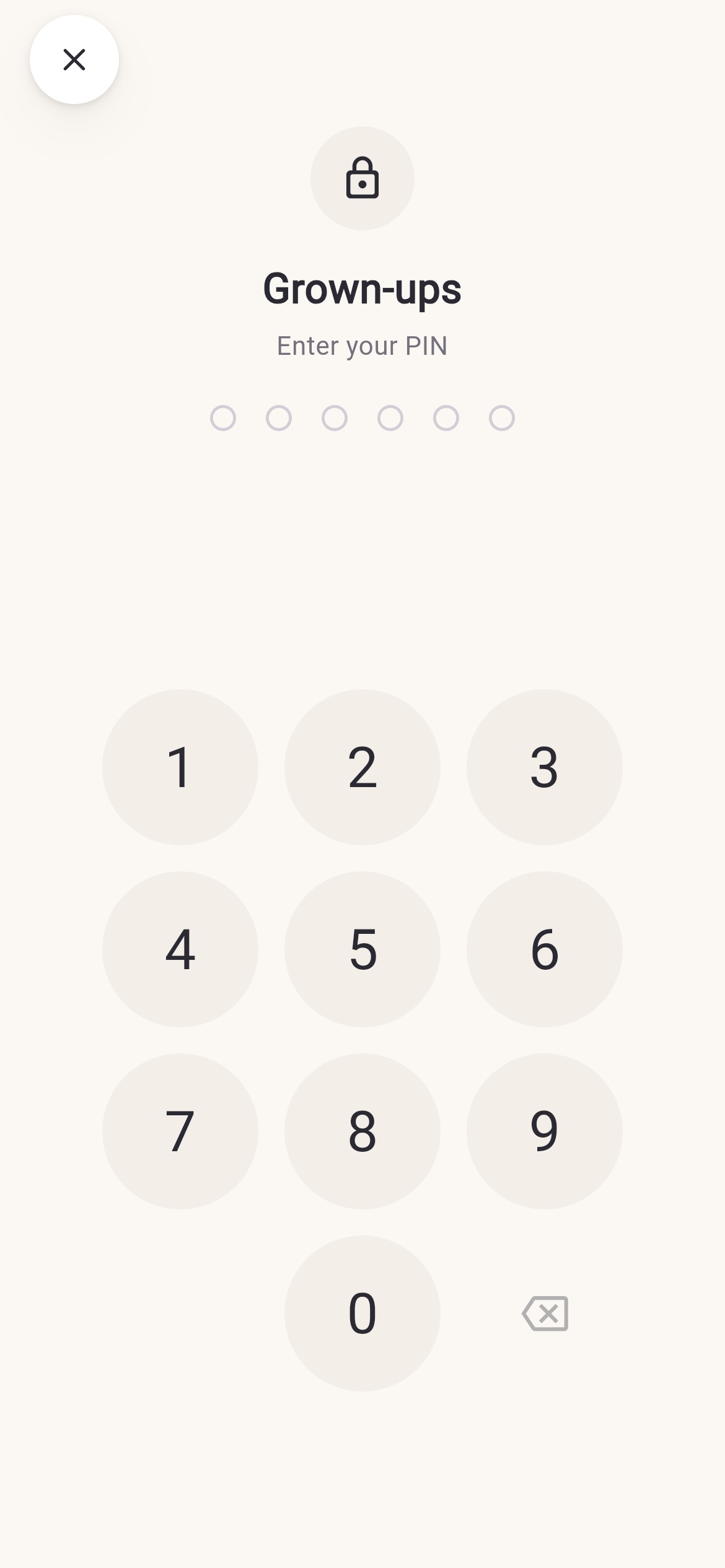
Settings live behind a lock your child can’t open, and nothing in the app tries to keep them playing longer than you want.
Children aged about 3 to 6, from first letter sounds to reading simple words. Younger children enjoy Letters & Sounds with a grown-up beside them; older children move quickly to blending and building.
No. ReadTiles starts with letter sounds, not names, so it works well before or alongside the alphabet song. Letter names appear later as a small extra.
Five to ten minutes a day is plenty. Little and often works better than long sessions, and there are no timers, streaks or rewards pushing for more.
A clear, neutral General American voice. Every sound is spoken as a pure sound, with no added “uh”.
No. There are no accounts, ads, analytics or trackers, and the app does not use the internet. Progress is stored only on your device. See the privacy policy.
Yes. Add each child in the Grown-ups area and each keeps their own progress.
Be the first to know when ReadTiles is ready for your family. Calm, ad-free reading practice, a few minutes at a time.